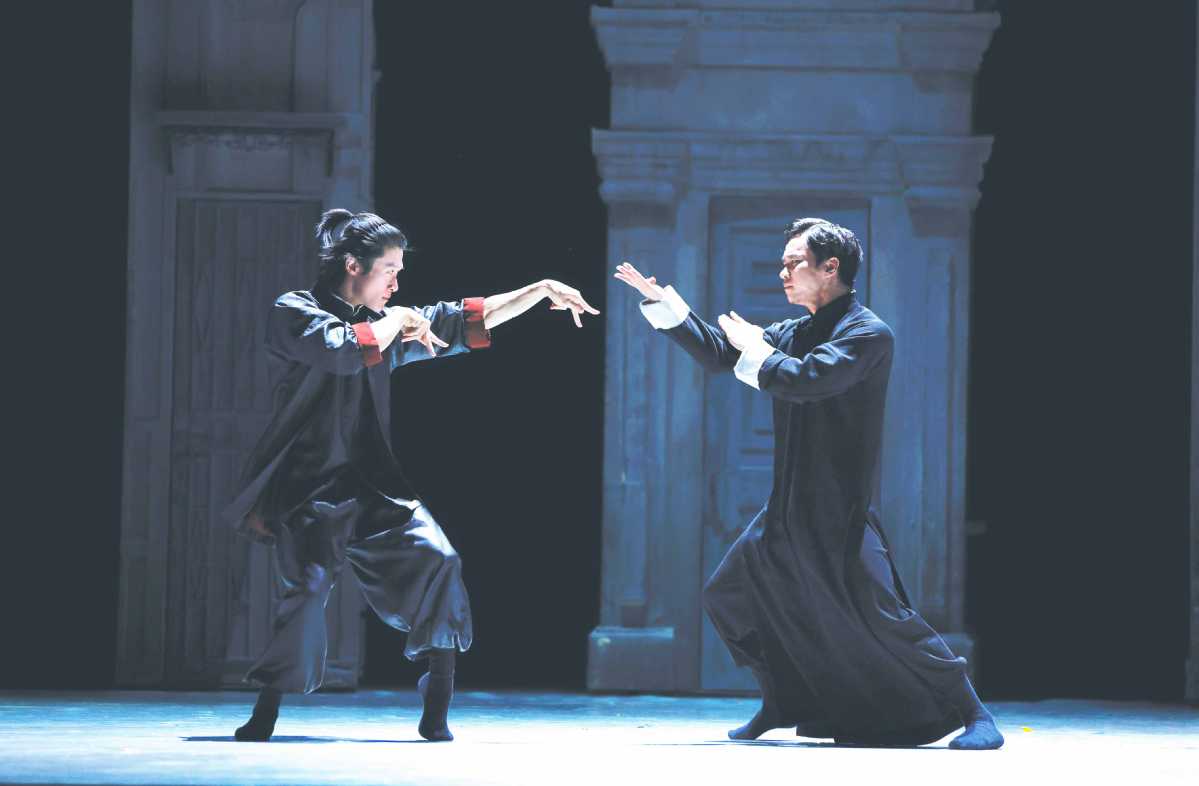
Yip Man
Introduction
Yip Man, also known as Ip Man, was a legendary martial arts master renowned for his profound mastery of Wing Chun, a traditional Southern Chinese kung fu style. Born in Foshan, Guangdong province, China, Yip Man is widely celebrated for his significant contributions to the propagation and popularization of Wing Chun, notably as the teacher of Bruce Lee, who later became an iconic martial artist and film star. His life and teachings have left an indelible mark on the world of martial arts and have inspired numerous films, TV shows, and cultural references, making him a pivotal figure in both martial arts history and popular culture.
Early Life
Yip Man was born on Oct 1, 1893, into a wealthy family. His family provided him with a privileged upbringing, and from a young age, he had access to education and martial arts training. His birth name was Yip Kai-man. As a child, Yip Man showed a keen interest in martial arts, which was nurtured by his family's encouragement and resources. His early life, characterized by comfort and education, laid the foundation for his future pursuits in martial arts.
Martial Arts Training
Initial Training
Yip Man began his martial arts training at the age of 13 under the tutelage of Chan Wah-shun, a respected Wing Chun master in Foshan. Chan Wah-shun's teachings focused on the principles of efficiency, precision, and economy of movement, which form the core of Wing Chun. Yip Man trained diligently under Chan Wah-shun until the latter's passing in 1905. Following Chan's death, Yip Man continued his training with one of Chan's senior students, Ng Chung-sok, who further instilled in him the fundamentals of Wing Chun. During this time, Yip Man's dedication and talent in martial arts became increasingly evident.
Wing Chun Mastery
In his late teens, Yip Man moved to Hong Kong for education, where he encountered Leung Bik, the son of Leung Jan, another prominent Wing Chun master. Under Leung Bik's guidance, Yip Man refined his skills and expanded his understanding of Wing Chun. Leung Bik's advanced techniques and insights greatly influenced Yip Man's martial arts philosophy, allowing him to master the intricacies of Wing Chun. This period marked a significant turning point in Yip Man's martial arts journey, as he integrated new techniques and concepts into his practice, ultimately becoming a distinguished Wing Chun master himself.
Teaching Career
Hong Kong Period
In 1949, Yip Man relocated to Hong Kong, where he began teaching Wing Chun to a new generation of students. He established his first martial arts school in Kowloon, attracting a diverse group of students eager to learn the art of Wing Chun. Yip Man's teaching methodology emphasized practical application and adaptability, which resonated with many martial arts enthusiasts in Hong Kong. His school quickly gained popularity, and he became a respected figure in the martial arts community. During this period, Yip Man's influence extended beyond his students, contributing to the broader recognition and appreciation of Wing Chun.
Notable Students
Among Yip Man's numerous students, the most famous was Bruce Lee, who later became a global martial arts icon and film star. Bruce Lee's association with Yip Man and Wing Chun significantly boosted the style's visibility and appeal worldwide. Other notable students included Wong Shun-leung, Leung Ting, and William Cheung, each of whom played a pivotal role in disseminating Wing Chun across various regions and communities. Yip Man's teaching legacy is reflected in the accomplishments and contributions of his students, who have continued to promote and evolve Wing Chun in diverse ways.
Influence on Martial Arts
Yip Man's impact on martial arts extends beyond his direct students. His teachings have profoundly influenced various martial arts styles and schools, integrating Wing Chun principles into broader martial arts practice. The simplicity, efficiency, and effectiveness of Wing Chun techniques have resonated with martial artists looking for practical and adaptable combat methods. Yip Man's emphasis on internal energy, structure, and sensitivity training has inspired martial artists to focus on the deeper aspects of martial arts, promoting a holistic approach to training that balances physical, mental, and philosophical components.
Film and Cultural Impact
Yip Man's life and legacy have been immortalized in numerous films and cultural productions. The Ip Man film series, starting with the 2008 release starring Donnie Yen, has been instrumental in popularizing his story and Wing Chun globally. These films have portrayed Yip Man's journey, his struggles, and his dedication to martial arts, capturing the imagination of audiences worldwide. The cultural impact of Yip Man extends beyond films, as his story has been adapted into TV series, documentaries, and stage productions, solidifying his status as a cultural icon and inspiring countless individuals to explore martial arts.
Legacy and Honors
Yip Man's legacy is celebrated through various honors and accolades, recognizing his contributions to martial arts and cultural heritage. His schools and disciples continue to propagate Wing Chun, ensuring its enduring presence in martial arts communities worldwide. Numerous Wing Chun organizations and associations have been established in his name, promoting his teachings and philosophy. Memorials and commemorative events are held to honor Yip Man's influence and achievements, reflecting the widespread respect and admiration he commands within the martial arts world.
Personal Life
Yip Man's personal life was marked by his devotion to martial arts and his commitment to teaching. Despite facing financial difficulties and personal challenges, Yip Man remained dedicated to advancing Wing Chun and sharing its benefits with others. He was known for his humility, discipline, and integrity, qualities that endeared him to his students and peers. Yip Man's life story, characterized by perseverance and resilience, serves as an inspiration to many aspiring martial artists, exemplifying the values of dedication and continuous self-improvement.
Death and Memorials
Yip Man passed away on Dec 1, 1972, in Hong Kong. His death marked the end of an era in martial arts, leaving behind a rich legacy that continues to thrive. Memorials and tributes have been established to honor his memory, including statues, exhibitions, and commemorative events. The Yip Man Tong, a museum dedicated to his life and achievements, serves as a testament to his enduring influence and significance in the martial arts world. Yip Man's contributions to martial arts and his role in popularizing Wing Chun remain an integral part of his legacy, celebrated by martial artists and enthusiasts worldwide.








